Why Hiding Your Prices Is Costing You Customers
"Contact us for a quote" feels safe. Research suggests it's actually one of the most common ways small business websites lose customers before they ever get in touch.
Quick answer
Hiding prices on your website costs you customers because most people won't contact you without a rough price range. Research from Nielsen Norman Group shows price information ranks as the most important factor for users researching purchases. A starting price or range filters out unqualified leads while giving serious prospects enough information to reach out.
Key takeaways
- Price information ranks as the most important factor for users researching purchases, ahead of every other type of website information.
- Hiding prices doesn't protect your business — it just means fewer conversations with fewer of the right people.
- A starting price or range filters out unqualified leads while giving serious prospects enough information to contact you.
- People who are scared off by your price were rarely going to book anyway — you've just saved everyone the call.
We've had clients push back hard on showing prices — "but every job is different," "we don't want to scare people off." The instinct makes sense. It's also usually wrong.
"Contact us for a quote" feels like it's protecting the business. In practice, it's usually just protecting the business from a conversation it was already going to have to have — later, and with fewer people.
The Research Says Price Matters More Than Almost Anything Else
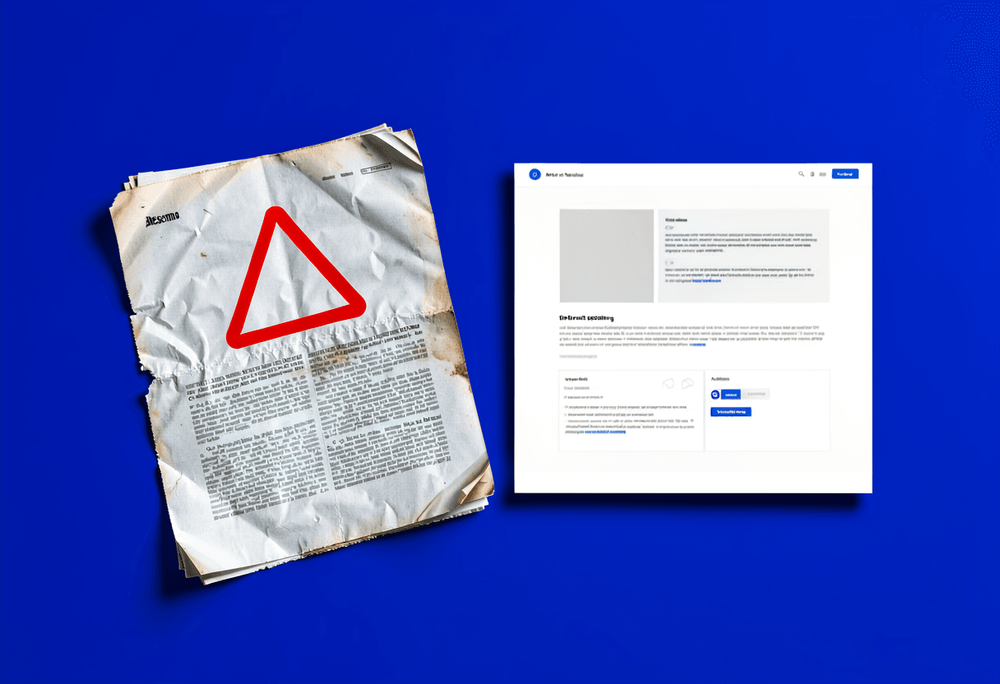
Nielsen Norman Group, a respected usability research firm, ran a study asking users to rank what mattered most across dozens of different types of website information — things like product details, availability, company background, and more. Price came out on top by a wide margin, ahead of every other factor tested, including availability.
That result isn't really surprising once you think about how people actually research a purchase. Before someone picks up the phone or fills out a form, they want a basic sense of whether they're even in the right ballpark. Without that, most people don't call to ask. They just leave.
Why Businesses Hide Prices Anyway
We get it — pricing varies by job, and nobody wants to commit to a number that doesn't fit every situation. But "it depends" isn't a reason to say nothing. It's a reason to say "from £X, depending on scope."
The fear is usually that a number will scare someone off before you get the chance to explain the value. In reality, the people that number scares off were rarely going to book anyway — you've just saved everyone the call.
What "Showing Prices" Actually Means
We always check the homepage hero first — and pricing clarity works the same way. It doesn't need an exact figure for every job. A starting price, a range, or "most projects run between X and Y" does the same job as a full price list, without pretending every job is identical.
This isn't a fringe opinion. One UX consultant who's spent decades studying this exact question put it plainly: there's a genuine cost either way — a small number of people may feel less able to negotiate once a price is visible — but it's usually a fair trade against the much larger number of visitors who simply leave when they can't find a number at all.
What Happens When You Don't
People don't email to ask "what does this cost" nearly as often as businesses assume. Mostly, they just leave — quietly, and usually to a competitor's site that gave them a number.
The £1,500 ads client's site had no pricing indication anywhere. Every visitor who wanted a rough idea before committing to a phone call had no way to get one — so most of them didn't make the call at all. That's not a hypothetical risk. It's what happens by default when pricing is invisible.
The Bottom Line
Hiding your prices doesn't protect your business from awkward conversations — it just moves those conversations to happen less often, with fewer of the right people. A rough range, a starting price, or a simple "most projects cost between X and Y" gives visitors enough to decide whether to reach out, without pretending every job costs the same.
If pricing is something you're actively rethinking, our post on what should a website actually cost covers the same principle from the buyer's side of the table.
Not sure how to show pricing for a service that genuinely varies?
Book a free consultationLet's chat — the first consultation is free.
Juan Manuel Armas is the founder of Just Sensations, a web and marketing agency building custom, ethical, high-performance websites for small businesses, freelancers, and nonprofits. He has 10+ years of experience in web design and digital marketing.
FAQ
Why do businesses hide their prices?
Businesses often hide prices because every job is different and they don't want to commit to a number. The fear is that a price will scare people off before they can explain the value.
What happens when you don't show prices?
Most visitors don't email to ask for pricing — they just leave, usually to a competitor's site that gave them a number. You lose potential customers before they ever make contact.
How can I show prices if every job is different?
You don't need exact figures. A starting price, a range, or "most projects run between X and Y" gives visitors enough to decide whether to reach out without pretending every job costs the same.

Categories: Getting more customers